
Disclaimer: This article is for informational purposes only and is not meant to replace expert medical or mental health advice. If you find that alcohol becomes harder to control, reach out to a board-certified physician or mental health specialist for advice and treatment. In case of emergencies, call 9-1-1 in the U.S. or your local emergency numbers immediately.
If drinking feels harder to control than it used to, it is often because habits, tolerance, and routines have gradually changed how alcohol fits into your life. What once felt like a choice can start to feel automatic over time. This shift is common, and it is usually a sign that structure, not just willpower, is what makes change easier.
Alcohol never felt this way? Indeed! For many, drinking begins as something optional and manageable. You may have had clear limits where you decide when to drink and when not to. But over time, this experience can change.
You may notice moments where you plan to cut back but do not follow through. Or you set limits that felt harder to stick to than they used to. This shift is often subtle, which is why it can feel confusing.
It may not be very obvious when your relationship with alcohol begins to change – but the feeling is difficult to ignore, and for a reason! Paying close attention to this feeling can be the path to self-discovery and positive change.
When Drinking Starts to Feel Different
The shift in drinking habits does not happen overnight – it happens in stages.
What once felt optional now becomes a habit. Drinking becomes tied to your routine, associated with many moments, such as:
- To relax after a long day
- To destress
- Celebratory moments.
You might also notice that it takes more effort to avoid drinking than it used to, but you are not alone. This is often when people begin to question their habits:
- Why does this feel harder now?
- Why can I not stop when I plan to?
These questions are more common than they seem.
Most people do not notice when this shift starts, but they do notice when it becomes harder to manage.
Why It Starts to Feel Harder?
When you start noticing a shift in your relationship with alcohol, you may begin to question why. It is not one reason, but several reasons why this may happen. A combination of small things, which reinforce larger patterns.
Habits Develop Quietly
Alcohol affects the brain, and over time, repeated use starts to create patterns that make drinking feel more automatic. What once felt like a choice can begin to feel like something you default to.
So, while it may start off as an occasional activity, it gradually becomes tied to specific times or situations, such as evenings or weekends. Once it becomes a habit, it requires more effort to interrupt.
Tolerance Increases
Tolerance refers to needing increasing amounts of alcohol to achieve the desired effect.
The same amount of alcohol that once felt good does not feel as effective as it once did. As a consequence, the quantity can gradually increase without feeling like a significant change.
Tolerance can make it difficult to stay within limits you previously set.
Emotional Reliance Builds
When you begin to use alcohol to relax or celebrate, drinking often becomes associated with relief from stress or something good. When it is associated with this purpose, it feels like a buddy that becomes harder to replace.
Environment Reinforces the Pattern
Daily routines, social settings, and environmental cues can all reinforce drinking behavior, as alcohol is so ingrained in many cultures and societies.
These repeated associations can encourage and make drinking feel automatic rather than intentional.
Over time, drinking can shift from something you choose to something you default to.
See What Level of Support Might Make This Easier
Explore options that can reduce the pressure of trying to manage this on your own. Speak confidentially with experts who understand.
Call (866) 885-3042
Stages of Alcoholism – From Choice → Routine → Automatic
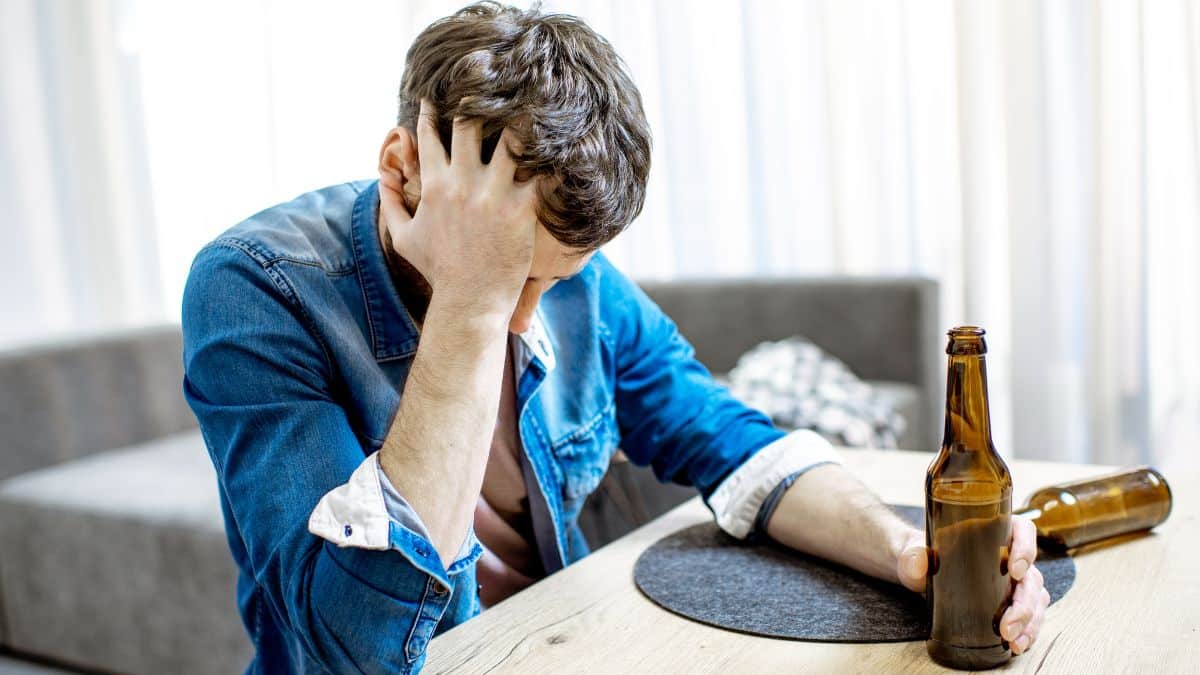
To simplify why it feels harder, here is a gist as to why controlling drinking feels difficult as time goes on:
- Choice: Occasional, intentional
- Routine: Expected, part of your schedule
- Automatic: Happens without deciding
Many only recognize this progression after they reach the point where it feels difficult to change. But paying attention to these early subtle shifts that your brain is telling you can help you understand what level of support might make sense for you, which, in turn, leads to better outcomes.
Why Trying to Control It Alone Gets Harder?
You may have often heard that controlling alcohol is only a matter of sheer willpower. Many people are told this is just about willpower, but that is often not the full picture.
You may set rules like:
- Limiting the drinks you take
- Drinking on certain occasions only
While these strategies can work temporarily, they are often difficult to maintain over time, as willpower fluctuates with your motivation, stress, and other emotional patterns.
This can lead to a cycle of setting intentions and following through briefly, but slipping back into old patterns over time. In fact, even relapse rates with substance use disorders run as high as 40% to 60% generally.
This is why relying on willpower alone often becomes exhausting, especially when the behavior is already tied to habits, routines, and emotional patterns.
Signs This May Be Becoming a Pattern (Not Just a Phase)
You might start to notice:
– You plan to cut back, but it does not stick
– Drinking feels manageable, but not consistent
– You think about alcohol more often than before
– It is becoming part of your routine, not just occasional
– You feel a subtle loss of control, even if life looks stable
None of this necessarily means something is “wrong.”
But it does mean something may be shifting, and that is worth paying attention to.
Talk Through Your Options And See What Fits Your Schedule
Have a simple conversation with licensed and experienced specialists to find care and structure that work within your daily routine.
Speak With Someone Who Understands
When It’s Not a Crisis But Something Feels Harder
You do not have to wait for something to go wrong to take this seriously.
For many people, this stage – where things still “work” but feel harder, is where change actually begins.
This experience is far more common than it is spoken about, especially given how it can feel like the invisible enemy at the beginning.
What Actually Helps?
When drinking starts to feel difficult to control, the answer is not trying harder on your own. What tends to help is changing the structure around the behavior.
Most people do not need more discipline, they need a different structure around the behavior. This can include:
- Adding consistency to your daily routines that prioritize sobriety
- Having external accountability that allows you to take personal ownership of your relationship with alcohol.
The above does not automatically mean rehab. In fact, care options for alcohol use have come a long way from isolating yourself for a month or more from the world. In the earlier stages, you can seek out flexible outpatient support options, like intensive outpatient programs, that allow you to focus on your daily life and recovery. Meanwhile, more structured daytime support options, such as partial hospitalization programs (PHPs), are also available for more severe drinking concerns.
A Different Way to Approach Change
The care you need and deserve for alcohol use no longer means having to put your life on hold.
Support options today are designed to fit around your life, not remove you from it. Create Recovery Center offers outpatient options designed to fit around studies, jobs, and other responsibilities. These recovery options can be flexible and adapted to your needs and goals so that change can happen in a safe setting – at your own pace.
Our goal is not to overwhelm you, but ease your journey toward recovery in a way that feels seamless.
Get Clarity On Your Next Step
Understand your next steps without pressure or commitment – just a conversation that provides clarity for you to move ahead with confidence.
Speak With an Admissions Specialist
Frequently Asked Questions About Why Alcohol Becomes Harder to Control Over Time and What Actually Helps
1. Why is drinking harder to control over time?
Drinking can feel harder to control over time as it becomes closely connected with routines, events, and other emotional patterns – in that it feels like a companion that you cannot leave behind.
2. Why can I not stop drinking even when I want to?
You may not be able to stop drinking even if you want to over time, as willpower can fluctuate and widen the gap between what you want to do and what you do, as drinking becomes integrated into your daily life in a way that feels routine.
3. Does this mean I have a serious problem?
A change in your relationship with alcohol does not always indicate a serious problem, but paying closer attention to this change early on prevents it from worsening.
4. Is it normal for drinking to become a habit?
Alcohol is a psychoactive substance that changes your brain chemistry and functioning over time, so it is normal for drinking to become a habit with regular consumption. This is why experts suggest that moderate drinking has little to no benefits in the long run.
5. What helps when drinking feels hard to control?
Care in the form of structure and accountability can help when drinking begins to feel difficult to control.