
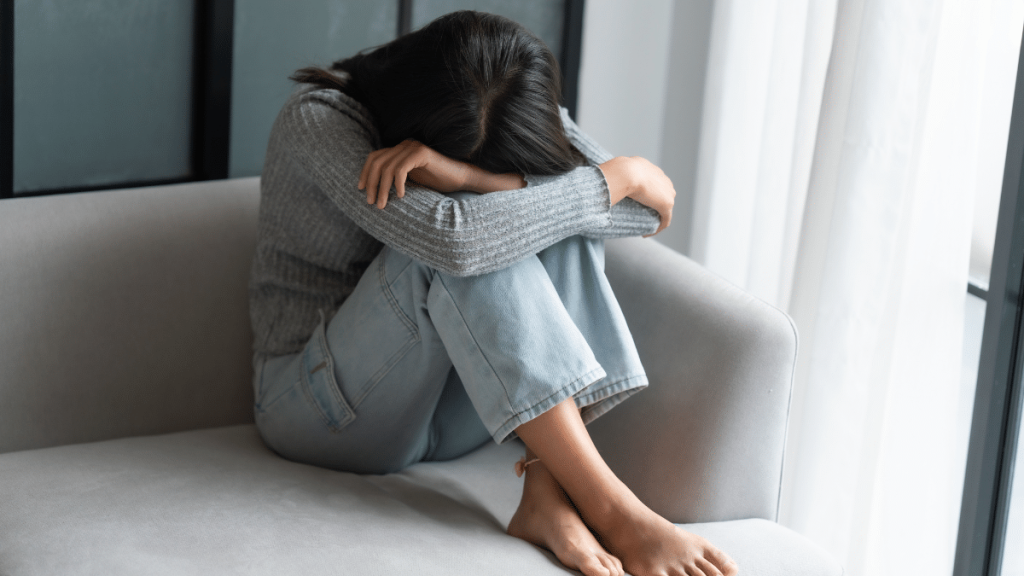
Coping strategies are mechanisms we use to cope with our daily challenges – they can be both healthy and unhealthy. We all use some such tools every day. But when coping strategies stop working – because of ongoing stress or other challenges – the day-to-day becomes harder to manage on your own.
If you have ever thought why are your coping mechanisms not working anymore, it does not mean you are falling behind or failing – many reach this point where the techniques they once used now feel ineffective. But the encouraging news here is that once you understand why this happens, it can open doors to healing.
Why Coping Skills Stop Working?
Coping skills are crucial, but they have their limits. They are designed to manage stress at certain levels, but when stress becomes chronic and intense, the same tools may feel insufficient.
Here are some reasons why coping is not working becomes common:
- Your stress levels have increased. With life and demands becoming complicated, the same coping tools may not be sufficient.
- You may be using the same coping tools across different challenges – even when they may not apply.
- Your coping tools only manage the symptoms, not the load. This is especially true when the outer environment does not change at all.
- Burnout lowers capacity. Over time, ongoing stress can lead to burnout – which can lead to reduced motivation and depletion of your inner reserves.
These experiences do not mean your coping tools are not helpful – it may mean that your needs have evolved beyond them.
Signs Your Coping Strategies Are Not Working Anymore
Here are some signs that show coping is not working anymore:
- You feel relieved for the time being, but the stress returns quickly
- You are using coping tools more often, but with lower impact
- You feel like you are just pushing through to the day, not improving
- You feel drained even when you are handling it
- You are relying on things like distraction or avoidance
- You find yourself falling back into the same patterns
- You experience emotional exhaustion despite your best efforts.
If some or several of these resonate with you, it may be time to explore the question, “Why can’t I handle stress anymore?” more closely.
See What Support Could Look Like
If you feel that the coping strategies that worked well for you before no longer feel sufficient, you can explore what support could look like for you, even without having to commit to anything right away.
Call (866) 885-3042
Why It Gets Harder Over Time?
Coping not working does not happen overnight. It develops slowly – for many reasons:
- Stress builds up with every passing day, and you do not get the chance to rest
- You have reduced recovery time, which leaves hardly any room for you to slow down and reset
- Your mental load grows heavier when you are constantly juggling demands
- Burnout can diminish even your baseline capacity to tolerate stress
- Over time, even your nervous system can get overwhelmed, making coping more difficult.
What worked a few months or a few years before – perhaps because of less demanding periods in life – may no longer suffice as responsibilities and life complexities increase. This explains why self-help stops working for many.
You Can Still Be Functioning While Struggling
Many people reach this stage while still managing work, school, relationships, and daily responsibilities. From the outside, everything may still look stable.
But internally, the effort required to keep functioning keeps increasing. Tasks feel heavier, stress feels harder to recover from, and coping starts feeling more like survival than support.
This is often why people become confused by what they are experiencing. Nothing has fully fallen apart, but something no longer feels sustainable.
When Coping Turns Into Just Getting Through
At a certain point, coping mechanisms not working anymore shift the experience from management and resilience to pure survival. You are no longer moving forward, and your life has entered a strange status quo, such as:
- You only survive the moment
- You keep falling back into problematic patterns.
This realization leads to a shift – this is when you realize that coping on your own and sheer willpower will no longer function the same for you. You need more structure.
Coping Alone vs Structured Support
| Coping Alone | Structured Support |
| Relies on personal effort | Adds clinical consistency |
| Works in the moment | Fosters a lasting change |
| Can become tedious and insufficient over time | Reduces the burden to manage on your own |
| Focuses on symptoms and not the underlying patterns | Identifies and changes underlying patterns |
| Easy to drop when overwhelmed | Provides external accountability |
Seeking structured care does not mean you have been doing something wrong – it is just that bit of scaffolding you need to relieve the efforts of doing everything on your own, especially when stress is getting harder to manage over time.
Talk Through What Might Actually Help
Whenever you are ready to seek therapy or structured care, you do not have to navigate everything on your own. Speak with licensed mental health specialists who will sit down with you to understand your experiences and offer clarity on what kind of care makes sense for you.
Speak With Someone Who Understands
What More Support Actually Changes?
More structured care can provide what coping on your own or self-help cannot:
- Clinical oversight
- Consistency that allows you to learn and apply tools in real time
- Identifying underlying patterns that can be restructured into something productive
- Accountability that fosters personal ownership toward your healing
- Community building so that you never feel you are on your own.
When we think of more structured care – it does not mean you have to put your life on hold or move away from the life you have built so far.
More structured daily support, like partial hospitalization programs and consistent outpatient support like intensive outpatient programs, provides the bridge between self-help and residential care, where you receive both structure and flexibility to focus on your healing and stay connected with your daily life.
When to Consider More Support?
Consider exploring additional structure and support if your coping strategies are no longer helping and stress is affecting daily life to the point that it is impacting your functioning and relationships.
The next step will be to speak with licensed and experienced mental health specialists in safe and confidential settings to understand your experiences and what your next steps can be.
Get Clarity On Your Next Step
You can reach out to licensed mental health experts who can help you understand what you are experiencing and offer clarity on what your next steps can be toward healing and personal growth.
Get Clarity On Your Options
Frequently Asked Questions About Coping Not Working
1. Why are my coping skills not working anymore?
Coping skills can become less effective when stress and burnout evolve beyond what the tools can manage.
2. What should I do when coping mechanisms stop working?
When coping mechanisms stop working, integrating more external structure and support in your life can reduce the burden of managing everything on your own.
3. Why can I not handle stress anymore?
Handling stress can become difficult when it builds up over time, and there is increased emotional strain and a reduced recovery period.
4. Can burnout make coping harder?
Burnout can deplete your internal reserves, such as your mental and emotional capacity, making coping seem harder on your own.
5. When should I get more support?
When coping strategies are not working, and your daily life is becoming harder to handle on your own – you can consider getting more support.